Beyond the Hype: A Practical Guide to Protein
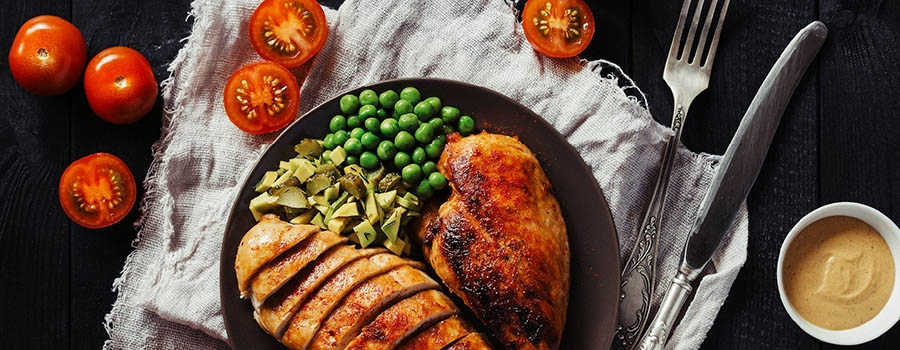
Protein lattes at every coffee chain. High-protein yogurt. Boxed macaroni and cheese – now with extra protein! Scroll through social media or walk down a grocery aisle, and you won’t be able to miss it: protein is everywhere. Several trends have converged to boost the popularity of strength training and protein consumption, including a growing interest in building and preserving muscle as we age, and the rise in the use of GLP-1 weight loss medications, which can lead to muscle loss.
It may be the latest nutrition trend, but protein has always been an essential nutrient worth understanding. Protein is comprised of chains of amino acids, the fundamental building blocks for nearly every part of your body. They support muscle growth and repair, help maintain a healthy immune system, produce hormones and enzymes, and keep skin, hair, and nails strong. Our body can make some amino acids, but not all the essential ones we need. So unlike fat and carbohydrates, you need to consume a steady supply of protein in your diet every day.
So how much do you actually need? The answer is tricky, as it’s not a one-size-fits-all number. Plus, with all the buzz around protein, you can find a multitude of opinions throwing out different numbers, making it hard to know if a particular recommendation is evidence based or just an influencer’s opinion.
The adult Recommended Dietary Allowance (RDA) for protein is 0.8 grams per kilogram of body weight per day. For example, 150 pounds is about 68 kilograms, which works out to 54.4 grams of protein per day. However, this equation is a guideline meant to prevent deficiency in a generally healthy person, not a precise rule for everyone. Your ideal intake may be higher or lower depending on:
- Your current nutritional and health status
- Personal health goals (weight loss, weight gain, muscle building)
- Kidney function or other medical conditions
- Age and activity level
Overtime, not getting enough protein can lead to muscle loss, slower wound healing, a weakened immune system, and fatigue. This is especially a concern for older adults and people taking GLP-1 weight loss medications, as both groups need extra protein to help offset muscle loss. Conversely, eating too much protein, especially from unhealthy and processed sources, can leading to falling short with other important nutrients, like dietary fiber and vitamins and minerals, contribute to excess calorie intake, cause constipation, and place added strain on the kidneys in people with existing kidney disease.
Even after nailing down your personal daily protein target, it’s important to remember that protein doesn't exist in a vacuum; overall calorie intake and the nutrient quality of your diet matters too. Eating enough total calories ensures your body will use protein for its intended purpose (like muscle growth and repair) rather than simply burning it to meet your energy needs. On the flip side, striving to hit a large protein goal can quickly drive up your calorie consumption and put you at risk for falling short in meeting your needs for all essential nutrients.
And remember, not all protein is created equal. Generally healthier options include:
- Lean options: poultry, fish, eggs, and lean cuts of meat
- Plant-based sources: beans, lentils, tofu, edamame, and quinoa (which also add fiber)
- Low-fat dairy: Greek yogurt, cottage cheese, and milk
Try to limit heavily processed meats (like bacon, sausage, and deli meats), which are often high in sodium and saturated fat.
Consume protein from whole food sources is preferred, but if you do choose to use a protein powder supplement or high protein ready to drink beverage, look for one with:
- A short, recognizable ingredient list
- Minimal added sugar and no artificial sweeteners
- Third-party testing (look for seals like NSF Certified for Sport or USP Verified)
- A protein type that fits your needs (whey and casein are complete proteins from milk; pea, soy, and rice blends work well for plant-based diets)
The bottom line is protein needs are individual, and general guidelines can only take you so far. A Registered Dietitian Nutritionist (RDN) can help you determine the right amount of protein, and the right overall eating strategies, based on your unique health status, lifestyle, and goals.
Learn about MarinHealth Integrative Wellness Center’s nutrition offerings here, or call 628-336-7110 to schedule a consultation with one of our Registered Dietitian Nutritionists today.

