Treating Atrial Fibrillation (AFib): The Most Common Arrhythmia
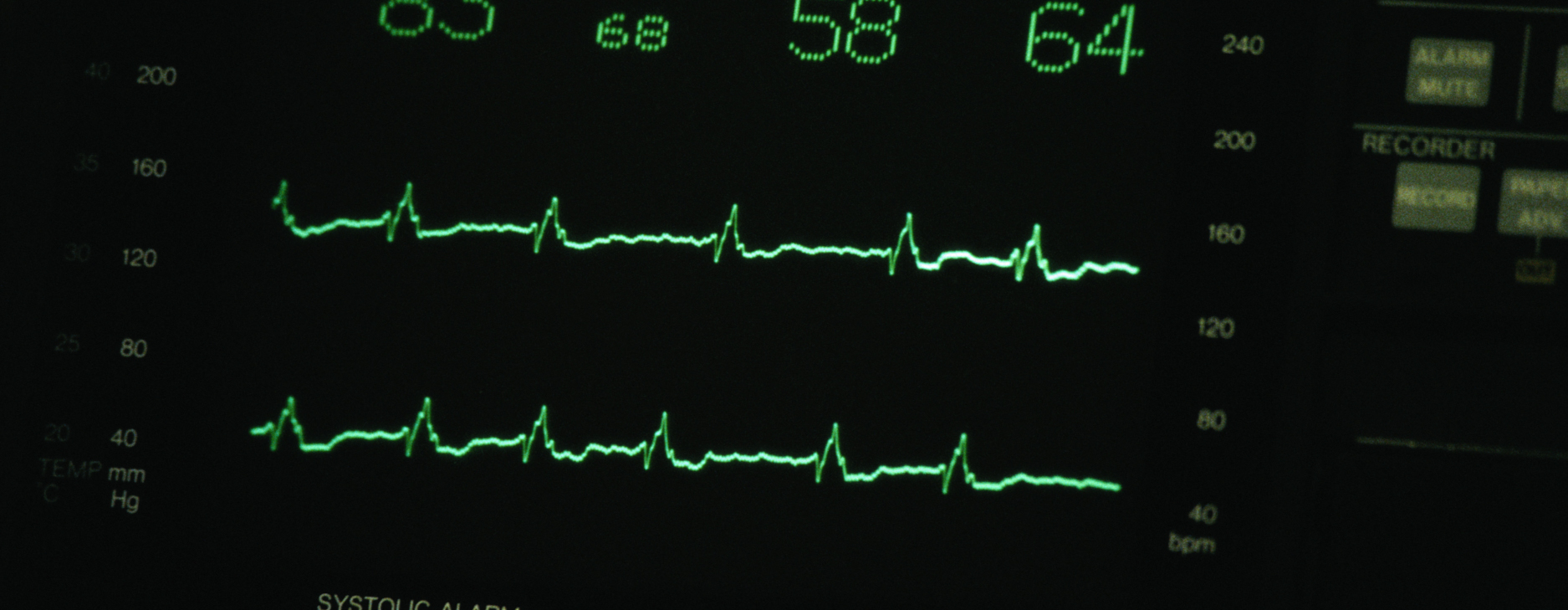
Having palpitations? Reduced energy? Breathing problems or chest pain? These could be signs of an arrhythmia or abnormal heartbeat. Abnormalities in the heart’s electrical system can cause the heart to beat too slowly, too quickly, or erratically. The most common arrhythmia, atrial fibrillation (AFib) affects 3 to 6 million Americans—almost one in 10 people over the age of 65. Here are some essential facts to help you stay aware of this condition so you can stay healthy and in rhythm.
As your heart beats, the top chambers of the heart, or atria contract and push blood into the bottom chambers or ventricles. In atrial fibrillation, the stimulation of the atrial chambers becomes extremely rapid due to abnormal electrical triggering from the pulmonary veins. As a result, the chambers “quiver” rather than squeeze blood. Clot formation and strokes can result, as well as abnormally fast or uncoordinated heart beats. AFib can occur in brief episodes, frequently, or become a permanent condition. Untreated, atrial fibrillation doubles the risk of heart-related death and increases stroke risk by four to five times.
AFib Symptoms
About one-third of people affected do not have any symptoms and are diagnosed with AFib incidentally. Other people demonstrate any of a number of symptoms, including rapid pounding, or erratic heartbeat, weakness, shortness of breath, extreme fatigue, and in some cases chest pain. Sometimes people feel a sense of just “not feeling right” and can vaguely perceive that their heart rhythm is just not in sync.
Risk Factors for AFib
- Age. Although young people can develop AFib, incidence increases with age.
- High blood pressure
- Obesity
- Diabetes
- Heart failure
- Ischemic heart disease
- Hyperthyroidism
- Chronic stress
- Excessive alcohol intake. (More than 1 drink a day in women and 2 drinks a day in men)
AFib Treatments
The symptoms of AFib are usually treated by restoring the normal heart rhythm and preventing future episodes from being triggered. We call this “rhythm control.” This strategy is usually employed alongside protecting you from stroke.
The treatment that is most appropriate for you will depend on how long you've had atrial fibrillation, the extent of your symptoms, and the underlying cause. It’s best to go through all of the options with your cardiologist or heart rhythm specialist (cardiac electrophysiologist). Below is a brief description of the types of treatments that are often chosen.
Sometimes an initial strategy is to “reset the rhythm” with something called a cardioversion. This usually temporarily restores the rhythm to normal, but does not prevent future episodes of AFib. Therefore, it is usually paired with another strategy to keep the rhythm normal. Sometimes this can be accomplished with medication and lifestyle changes. Another option may be to pursue a procedure called catheter ablation.
Catheter Ablation
Catheter ablationis a procedure performed by an electrophysiologist. This minimally invasive procedure destroys tiny areas of abnormal electrical tissue through freezing (cryoablation) or cauterization/burning/”zapping” (radiofrequency ablation). Catheter ablation is a highly effective and safe procedure. With recent advances in experience and technology, almost all patients have a dramatic reduction in the amount of AFib they have, and some of them are effectively cured. MarinHealth is also at the forefront of clinical trials studying the latest generation of technologies, such as pulsed field ablation, which carries promise for more effective and safe treatment for AFib.
Stroke Risk and Percutaneous Left Atrial Appendage Occlusion
Clots in AFib most often form in a structure called the left atrial appendage, a “blind alley” where blood tends to stagnate. Often, we prescribe blood thinners to reduce the potential for clot formation. Unfortunately, these medications are not a good fit for everyone since they can increase propensity for bleeding. We often seek an alternative, either due to side effects, bleeding, an active lifestyle that increases risks of serious injury, inefficacy, or a patient’s desire to seek an alternative to blood thinners.
We now have access to a highly effective procedure called percutaneous left atrial appendage occlusion. This involves inserting a small device (with an FDA-approved device called the WATCHMAN FLX, often leading to the alternative term “WATCHMAN procedure”). This procedure is percutaneous (minimally invasive), and involves placing this mini umbrella into the left atrial appendage. The procedure is done under general anesthesia and typically takes about an hour. After the procedure, patients usually spend one night in the hospital before being discharged. The WATCHMAN device serves as a scaffold for your body to grow a “skin” over the surface of the device, reducing the potential for embolism from the appendage. Our data shows that most patients can very effectively be protected against stroke, and >95% are able to discontinue their blood thinners after this procedure.
MarinHealth Medical Center was one of the first hospitals in the nation to be granted use of the original WATCHMAN implant, so our team of experts has extensive experience using this innovative treatment. We are one of the Bay Area centers of excellence for this procedure. Learn more about the WATCHMAN procedure and benefits.
We now know that early treatment of AFib prevents progression to more severe or entrenched forms. With any diagnosis of AFib, a cornerstone is to see your cardiologist or cardiac electrophysiologist to discuss treatment options. Learn more about MarinHealth’s Haynes Cardiovascular Institute, our comprehensive, leading-edge Cardiovascular Medicine Program, and the team of experts providing innovative and effective treatment.
Vivek Iyer, MD, MSE is a board-certified cardiac electrophysiologist at MarinHealth Cardiovascular Medicine | A UCSF Health Clinic.

