Knee Pain Treatments That Don’t Involve Surgery
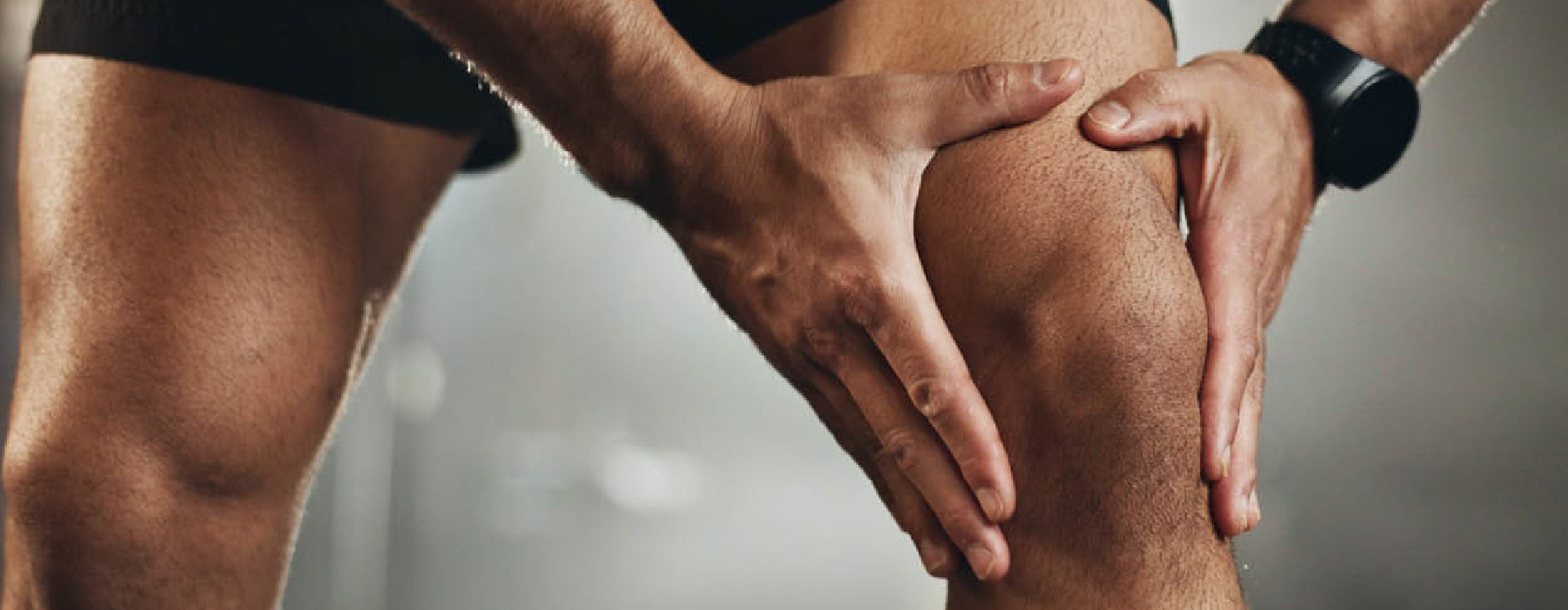
Knee pain is one of the most common reasons people cut back on exercise, daily activities, and even the things they love most. Whether caused by arthritis, injury, overuse, or simply wear and tear over time, knee pain can take a real toll on quality of life.
The good news? Surgery isn’t always the first—or best—step. Many effective non-surgical treatments can reduce pain, improve mobility, and help you stay active. Here’s a look at some of the most proven options.
1. Medications for Pain and Inflammation
Over-the-counter medications like acetaminophen and nonsteroidal anti-inflammatory drugs (NSAIDs), such as ibuprofen or naproxen, can help relieve pain and reduce swelling. Topical creams and gels may also provide targeted relief with fewer side effects.
In some cases, a healthcare provider may prescribe prescription medications or short-term pain relief during flare-ups.
2. Physical Therapy and Strength Training
Physical therapy is one of the most effective ways to treat nee pain without surgery. A personalized program can help strengthen muscles that support your knee, improve flexibility, and correct movement patterns that may be contributing to your pain.
Building strength in the quadriceps, hamstrings, hips, and core can help reduce stress on the knee joint and improve overall stability. Low-impact exercises like swimming, cycling, yoga, and walking are often recommended to help you stay active while protecting your joints.
3. Orthotics, Bracing, and Supportive Footwear
Sometimes pain starts with alignment. Orthotics—whether custom or over-the-counter—can help correct alignment issues in the feet and legs that place extra stress on the knee.
Supportive shoes with proper cushioning and arch support can also make a noticeable difference, especially if you spend long hours standing or walking. Knee braces may provide additional stability, reduce pressure on the joint, and help you move more comfortably during daily activities.
4. Injections
For some patients, injections can provide significant pain relief and improved function:
- Corticosteroid injections help reduce inflammation and are often used for short term relief during flare-ups.
- Hyaluronic acid injections may improve joint lubrication, helping it move more smoothly.
- Platelet-rich plasma (PRP) and other regenerative therapies are emerging options that may support healing in certain cases.
While these treatments don’t cure the underlying condition, they can provide weeks or months of relief and improved function.
5. Weight Management and Lifestyle Changes
Small changes can have a big impact. Losing just a few pounds can significantly reduce stress on your knees. Each pound lost removes several pounds of pressure from the joint during movement.
Staying active, choosing low-impact activities, and making simple adjustments—like pacing activities or avoiding movements that trigger pain—can help you protect your joints and improve how you feel day to day.
6. Heat, Ice, and Pain-Relief Modalities
Ice can help reduce swelling and inflammation, especially after activity, while heat relaxes stiff muscles and improves blood flow. Some patients also benefit from treatments like massage therapy, acupuncture, or electrical stimulation techniques used in physical therapy.
When Surgery Might Be the Right Next Step
Non-surgical treatments can be highly effective, especially when started early. If knee pain is persistent and begins to interfere with daily life despite these approaches, knee surgery may be the best option to restore mobility and quality of life.
Expert Care, Tailored to You
Whether you’re exploring non-surgical options or considering surgery, MarinHealth’s world-class orthopedic specialists can evaluate your symptoms, recommend appropriate imaging if needed, and work with you to create a personalized treatment plan that aligns with your goals. The bottom line—you don’t have to live with knee pain—and you don’t have to navigate it alone.

