What Your Blood Sugar Is Telling You, Even If You’re Not Diabetic
There are roughly 38.4 million people in the United States with diabetes, but an estimated 8.7 million of them haven’t yet been diagnosed. And nearly 100 million American adults have prediabetes, but many of them have no idea. Many people who seem “healthy” may already be on the path toward type 2 diabetes without showing any symptoms.
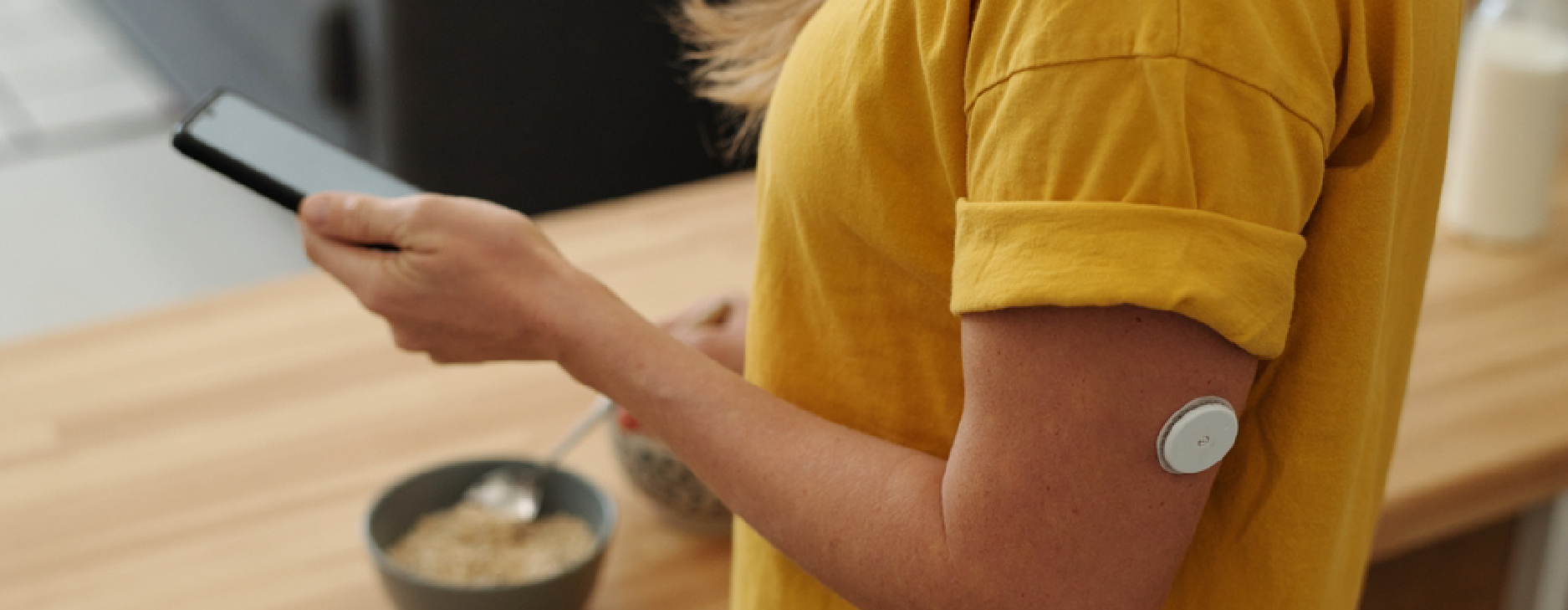
The encouraging news is that there is a simple tool that can help catch blood sugar problems early. It is called a Continuous Glucose Monitor (CGM). Originally created for people with diabetes, CGMs are now being used as a powerful prevention tool for anyone interested in protecting their long-term health.
Why Blood Sugar Matters
Type 2 diabetes takes years to develop. It begins with a condition called insulin resistance, where the body stops responding well to insulin. This leads to higher blood sugar levels, and eventually, the pancreas can no longer keep up.
By the time diabetes is diagnosed, as much as 60 percent of a person’s insulin-producing cells may already be permanently damaged. Understanding your blood sugar can help stop this process early and prevent diabetes before it starts.
What is a CGM?
A CGM is a small device you wear on your arm or abdomen. It checks your blood sugar every few minutes and sends the information to your phone through an app. In the past, CGMs were only available with a prescription for people with diabetes. Today, non-prescription options like Dexcom Stelo and Abbott Lingo are available online for anyone over 18 who is not using insulin.
These devices are worn continuously, typically for 10 or 14 days, and give you real-time information on how your blood sugar responds to food, stress, sleep, and exercise. Non-prescription CGMs cost around $89 to $99 per month and are easy to set up with a smartphone. You no longer have to rely on occasional finger sticks or annual lab work to understand what is happening inside your body.
What Can You Learn from a CGM?
- Post-meal spikes: Some foods that seem healthy may cause a sharp rise in blood sugar. These spikes, known as glycemic variability, are early warning signs of insulin resistance.
- Daily patterns: You might notice higher blood sugar after dinner, on days you are stressed, or when you sleep poorly. Identifying these trends allows you to make targeted changes.
- Your unique responses: Different people can react differently to the same food. A slice of bread might be fine for one person but cause a spike in another. CGMs help you understand your individual patterns.
What Is a Healthy Range?
For people without diabetes or with prediabetes, it is best to keep blood sugar between 70 and 140 mg/dL throughout the day. Ideally, you should stay in this range 95 to 100 percent of the time. If your blood sugar rises above 140 often after meals, that is a sign you may need to make some changes.
Even if your fasting blood sugar and A1C (a measure of blood sugar over three months) are normal, frequent spikes after eating can increase the risk for heart disease, memory loss, weight gain, and fatigue.
How CGMs Help with Prevention
Seeing your blood sugar in real time can be a powerful motivator. For example, after eating three slices of pizza, you might see your glucose rise to 200. That experience often leads people to try two slices next time or add a walk afterward. These small adjustments can help preserve insulin function and prevent future problems.
Don’t wait for a prediabetes or diabetes diagnosis to start caring about your blood sugar. It is one of the most important indicators of your overall health. Using an over-the-counter CGM, you can get a clear, personalized view of how your body is responding to your lifestyle. Once you better understand your blood sugar, you can manage it, helping lower your risk for diabetes, heart disease, and other chronic conditions. Prevention starts with awareness, and a CGM is one of the best tools available to support that journey.
To learn more about CGMs, listen to this short Becker’s Hospital Review podcast featuring Dr. Sidhu, or watch Dr. Sidhu’s full presentation from the Marin Healthcare District's Spring Health & Wellness Fair.
Need help getting started with a CGM? Contact MarinHealth’s Braden Diabetes Center at 415-925-7370. The team can assist you in learning to optimize the use of your CGM, including sharing your data with your healthcare team. We also can teach you how to use this valuable information to better manage your blood sugar levels.
For additional support managing diabetes or prediabetes, talk with your primary care doctor or call MarinHealth Endocrine & Diabetes Care at 415-461-1780.
Dr. Sharleen Sidhu, MPH is MarinHealth’s Medical Director of Endocrinology and Medical Director of the Braden Diabetes Center. She sees patients at MarinHealth Endocrinology and Diabetes Care in Greenbrae and Novato.

