Understanding Acne: Causes, Types, and Treatment Options
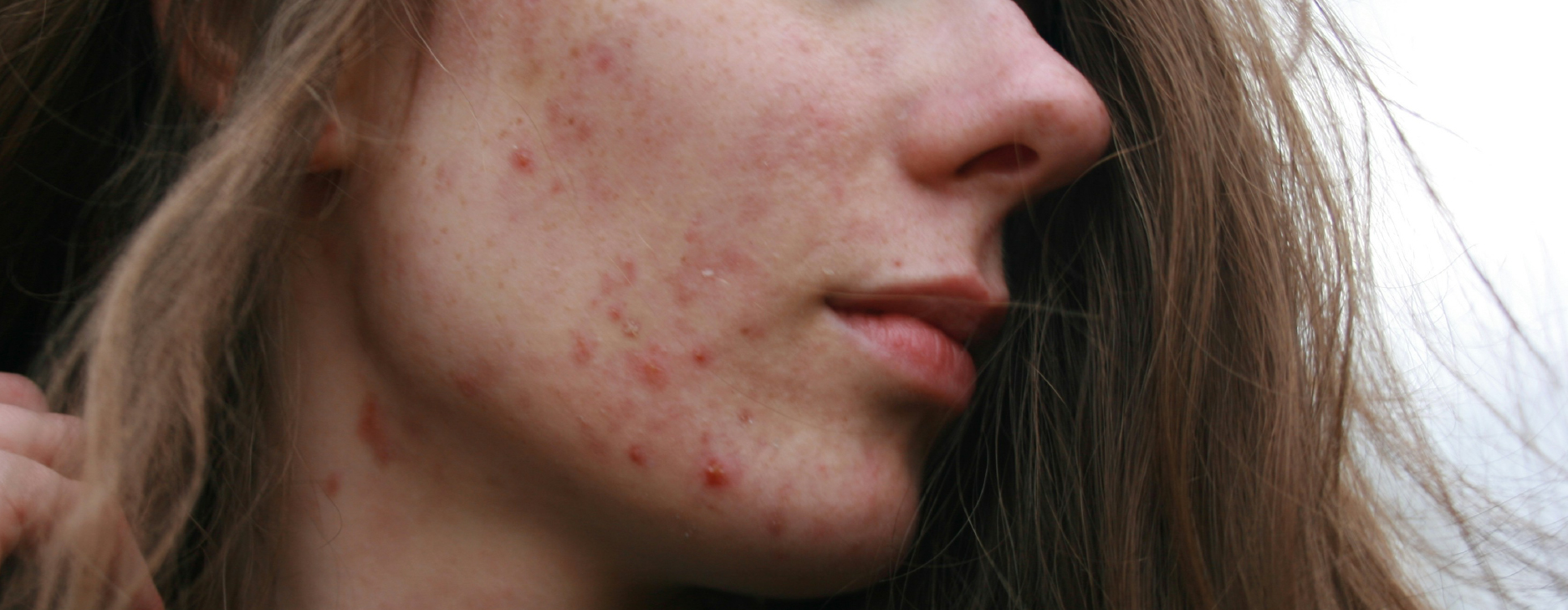
Acne is one of the most common skin conditions and affects people of all ages, from teens experiencing hormonal changes to adults noticing unexpected breakouts. While acne can be frustrating, understanding what causes it and how to treat it can make a big difference in achieving clearer, healthier skin.
What Causes Acne
Acne begins in the oil glands of the skin. During puberty, hormonal changes cause these glands to produce more oil (sebum). When excess oil mixes with dead skin cells, pores can become clogged, forming small bumps known as comedones. These blemishes are referred to as whiteheads when closed, and blackheads when open.
Sometimes, clogged pores become inflamed due to bacteria or the body’s immune response, resulting in the pink, tender bumps associated with inflammatory acne. Hormones are a major driver of oil production, and diet can also play a role. Foods that spike blood sugar, such as chips, sweets, and refined carbohydrates, can raise insulin levels, which in turn leads to a cascade of events that stimulates oil glands and worsens acne.
Types of Acne
Dermatologists often divide acne into two main categories: comedonal and inflammatory.
- Comedonal acne includes whiteheads and blackheads — small, non-inflamed bumps that often appear on the forehead, nose, and chin.
- Inflammatory acne involves red, swollen bumps (papules or pustules) and deeper nodules or cysts that can lead to scarring.
Understanding which type you have helps determine the most effective treatment.
Over-the-Counter Treatments
For comedonal acne, ingredients that exfoliate and unclog pores are key.
- Salicylic acid and glycolic acid help remove dead skin cells that block pores.
- Adapalene 0.1% gel (brand name Differin), a gentle retinoid now available without a prescription, can also help promote skin cell turnover to prevent clogging.
For inflammatory acne, products that target bacteria and inflammation are more effective.
- Benzoyl peroxide kills acne-causing bacteria and reduces redness. This also may bleach your linens.
- Sulfur-based treatments are naturally antimicrobial and anti-inflammatory, making them effective spot treatments for painful pimples.
Most acne treatments work by speeding up skin turnover, reducing bacteria and inflammation, and helping prevent clogged pores from becoming inflamed.
When to See a Dermatologist
If over-the-counter products aren’t helping after a few months, or if your acne is causing scarring or emotional distress, it’s time to see a dermatologist. They can prescribe stronger topical or oral treatments and tailor a plan to your skin's needs.
Prescription topical treatments include stronger retinoids and antibiotic combinations to reduce bacteria and inflammation. When topical therapy isn’t enough, dermatologists may recommend oral medications such as antibiotics, hormonal treatments like birth control pills or spironolactone, or isotretinoin (Accutane). Accutane is considered a disease-modifying medication because it can lead to long-term remission after a typical six-month course, though it requires close monitoring for side effects.
Skincare and Lifestyle Tips
A consistent skincare routine can help prevent breakouts. Use a gentle cleanser, avoid harsh scrubs that irritate the skin, and wash makeup brushes weekly. Choose non-pore-clogging products labeled as non-comedogenic.
Those prone to breakouts should also be cautious about anything that traps heat or moisture against the skin, such as sports helmets, tight clothing, or sleeping caps. These can worsen acne by increasing friction and oil buildup.
Diet also matters. Steer clear of high-glycemic foods, which rapidly raise blood sugar. Keeping blood sugar stable through balanced meals and regular physical activity can help avoid oil gland stimulation and therefore minimize flare-ups.
Preventing and Treating Scarring
The best way to prevent acne scars is to treat acne early and avoid picking or squeezing pimples. For existing scars, topical retinoids can gradually improve skin texture and boost collagen production. More advanced treatments, such as chemical peels and laser therapy, are options for deeper scars, but dermatologists typically recommend waiting until acne is fully under control before addressing scarring.
The Bottom Line
Acne is common, but it’s also highly treatable. With the right combination of skincare, lifestyle adjustments, and medical guidance, most people can achieve significant improvement. Whether your acne is mild or severe, understanding its causes and using the right treatments can set you on the path toward clearer, more confident skin.
To learn more about acne, listen to this short MarinHealth podcast featuring Dr. Kohn.
Ready to address acne or acne scars? Call MarinHealth Dermatology in San Rafael at 415-499-0100 or in Novato at 415-755-4515 to schedule an appointment.
Lucinda Kohn, MD, MHS, cares for pediatric and adult patients at MarinHealth Dermatology in Novato and San Rafael.
